New York and Florida Legal Support at Your Fingertips: Remote Services Available Now!
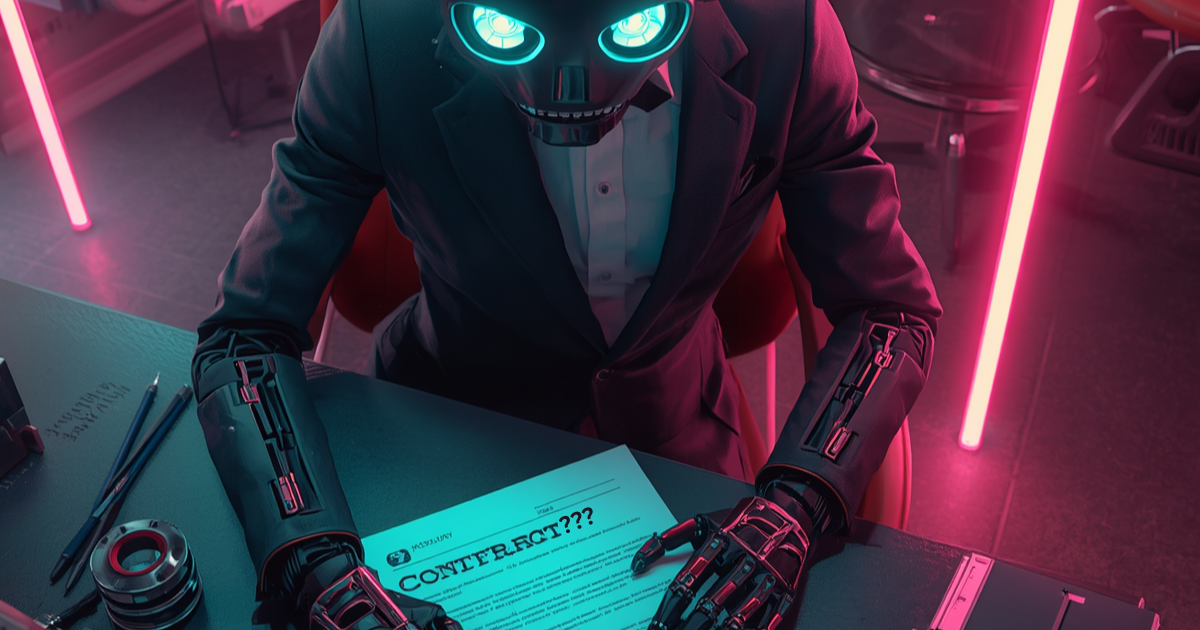
“Can ChatGPT draft a contract?”
“Are AI contracts enforceable?”
“Can AI write legal agreements?”
“Do I need a lawyer to review AI contract?”
“Is AI contract legal?”
“ChatGPT write legal document?”
“Is ChatGPT/AI good for first pass reviews of legal documents or go straight to a lawyer?”
“How great is ChatGPT for legal analysis?”
Over the past year, search interest surrounding AI drafted legal agreements has exploded. Reddit users regularly ask questions like:
The short answer is this:
ChatGPT can generate text that looks like a contract. That does not mean the contract is legally enforceable, strategically protective, or safe for your business.
That distinction matters far more than most people realize.
Today, many entrepreneurs, startups, freelancers, agencies, landlords, and small business owners are trying to save money by using artificial intelligence to draft contracts and legal agreements. Unfortunately, many later discover that AI generated contracts can contain vague language, conflicting provisions, missing protections, unenforceable clauses, or legal errors that expose them and their businesses to substantial risk.
A contract that appears professional to a non lawyer may completely fail when challenged in court.
Technically, yes.
But the better question is whether ChatGPT can draft a legally enforceable contract that properly protects your interests under the laws of your specific state and your unique business situation.
In many cases, the answer is no.
ChatGPT is not a lawyer. It is not licensed in Florida, New York, California, Texas, or any other jurisdiction. It has not completed years of undergraduate education, attended law school, passed an extremely difficult bar exam, or maintained continuing legal education requirements. It is not legally authorized to practice law because it is not a human being capable of meeting the educational, ethical, and licensing standards required of attorneys.
Artificial intelligence predicts language patterns based on internet data. That is fundamentally different from actual legal analysis.
As a business attorney licensed in Florida and New York, I regularly review contracts drafted from online templates and AI systems that contain serious legal weaknesses invisible to non lawyers. Many business owners assume the agreement is safe simply because it sounds sophisticated. Unfortunately, that assumption can become extremely expensive later.
A properly drafted contract requires far more than arranging words into a document that sounds official. An experienced attorney analyzes enforceability, litigation risk, liability exposure, negotiation leverage, industry regulations, tax implications, and the long term consequences of the agreement. AI cannot independently exercise legal judgment.
Sometimes. Sometimes not.
That uncertainty is exactly what makes AI generated contracts dangerous.
Courts generally evaluate contracts using traditional legal principles such as offer, acceptance, consideration, legality, capacity, and specificity of terms. An AI generated contract may still be enforceable if it happens to include the required legal components. However, many AI generated agreements fail because they contain vague language, omit critical provisions, or conflict with state law.
Most non lawyers cannot identify these problems.
To the average business owner, the document may look polished and complete. To a litigation attorney, it may contain serious weaknesses that create significant exposure if a dispute arises later.
Common problems found in AI generated contracts include:
AI generated agreements may also contain internally inconsistent clauses, legally inaccurate language, or provisions copied from unrelated jurisdictions. A contract enforceable under Florida contract law may fail under New York contract law or vice versa.
That becomes especially dangerous when business owners rely on AI for employment agreements, operating agreements, partnership contracts, licensing agreements, commercial leases, or independent contractor agreements.
AI can create drafts that resemble legal agreements, but resemblance is not the same thing as legal protection.
One of the biggest misconceptions online right now is that because AI sounds intelligent, it must therefore be capable of competent legal drafting. It is not.
Artificial intelligence does not independently verify current statutes, recent court decisions, local legal interpretations, or evolving regulatory standards. It may also combine legal concepts from multiple jurisdictions without warning.
This becomes especially risky in contracts involving intellectual property, ownership rights, non solicitation clauses, indemnification provisions, limitation of liability clauses, dispute resolution procedures, or damages provisions.
A single missing sentence can dramatically affect your rights, liabilities, and financial exposure.
For example, many Reddit users searching “Can ChatGPT write an NDA?” or “Can ChatGPT write an LLC operating agreement?” assume AI can simply generate a valid legal template. In reality, those agreements often require substantial customization based on ownership structure, state law, tax considerations, management authority, dispute procedures, and liability allocation.
Using AI itself is generally legal. That does not mean the resulting contract is legally sound.
Many people confuse “legal to use AI” with “the contract is legally enforceable and protective.” Those are very different concepts.
Whether a contract is enforceable depends on the quality of the drafting, the governing law, the facts of the transaction, and the precision of the language used. AI cannot independently guarantee any of those things.
A contract may appear legally sophisticated while still containing serious flaws that become visible only after litigation begins.
That is one of the greatest dangers of relying on AI for legal drafting.
Absolutely.
If you choose to use AI as a starting point, you should still have a licensed attorney carefully review the document before signing.
Ironically, many people discover that using ChatGPT first actually increases legal fees rather than reducing them. Attorneys often must spend substantial time untangling confusing language, correcting contradictory clauses, rebuilding broken provisions, and identifying hidden risks created by the AI draft.
In many situations, it is more efficient and cost effective for an attorney to draft the agreement properly from the beginning.
Think about it this way. If you hired a contractor to repair a poorly built structure created by an amateur, the repair work could easily cost more than constructing it correctly in the first place. Contracts work the same way.
An attorney drafting from scratch can create a customized agreement specifically tailored to your business model, risks, goals, and state law requirements. That process is often faster and safer than trying to salvage an AI generated document.
One reason AI generated contracts are so risky is because they often sound extremely professional.
The formatting may look polished. The grammar may appear sophisticated. The clauses may seem comprehensive to someone without legal training.
But appearances can be deceptive.
ChatGPT predicts likely word patterns based on enormous amounts of internet text. It does not actually understand your business goals, litigation exposure, operational realities, or negotiation strategy.
This creates a dangerous false sense of security.
Many business owners assume that if a document sounds legal, it must therefore be legally correct. That assumption can become extremely expensive once a dispute occurs.
AI can sometimes assist with very limited preliminary tasks. For example, it may help summarize sections of a contract, explain basic terminology in plain English, or identify obvious clauses such as confidentiality, arbitration, or termination provisions.
However, AI should not replace legal review by a licensed attorney.
Artificial intelligence cannot reliably determine whether a clause is enforceable, whether language adequately protects you, whether important provisions are missing, or whether the agreement complies with Florida or New York law.
The smartest approach is usually to use AI cautiously for general educational understanding only, then consult an experienced attorney before signing anything important.
If you are searching “Is ChatGPT/AI good for first pass reviews of legal documents or go straight to a lawyer,” the answer is that AI may help you organize questions, but it should never be your final legal review process.
For broad educational discussions, ChatGPT can sometimes be useful.
For actual legal analysis involving real contracts, business disputes, liability exposure, or litigation risk, it is extremely limited.
Legal analysis requires interpretation, factual application, strategic judgment, negotiation awareness, and jurisdiction specific knowledge. Attorneys also evaluate how judges may interpret ambiguous clauses, how opposing counsel may attack the agreement, and how the contract could affect future disputes.
AI does not truly reason like a lawyer. It predicts text statistically.
That is not the same thing as legal judgment.
A licensed attorney analyzes your goals, industry, risks, leverage, assets, and long term business objectives before drafting a contract. AI cannot meaningfully replicate that process.
Asking ChatGPT to draft a legal agreement without attorney review is similar to asking a school aged child to draft a legal document and then hoping it works out in court.
The document may imitate legal formatting. It may sound convincing. It may even include terminology commonly found in contracts.
But the underlying legal structure may still be fundamentally flawed.
That flaw may not become visible until a lawsuit occurs, a client refuses to pay, a partner leaves the business, intellectual property is stolen, or a vendor breaches the agreement.
By that point, the financial damage may already be significant.
One of the largest problems with AI generated contracts is that contract law varies substantially from state to state.
A clause enforceable in Florida may fail in California. A non compete provision valid in Texas may be unenforceable in New York. Employment law, consumer protection statutes, licensing requirements, and damages limitations can differ dramatically depending on jurisdiction.
AI frequently mixes concepts from multiple jurisdictions together without warning.
That creates agreements that may be partially enforceable, legally ambiguous, or entirely invalid.
A licensed attorney analyzes contracts based on the governing law of the specific state involved. AI cannot independently practice law in any jurisdiction because it legally cannot do so.
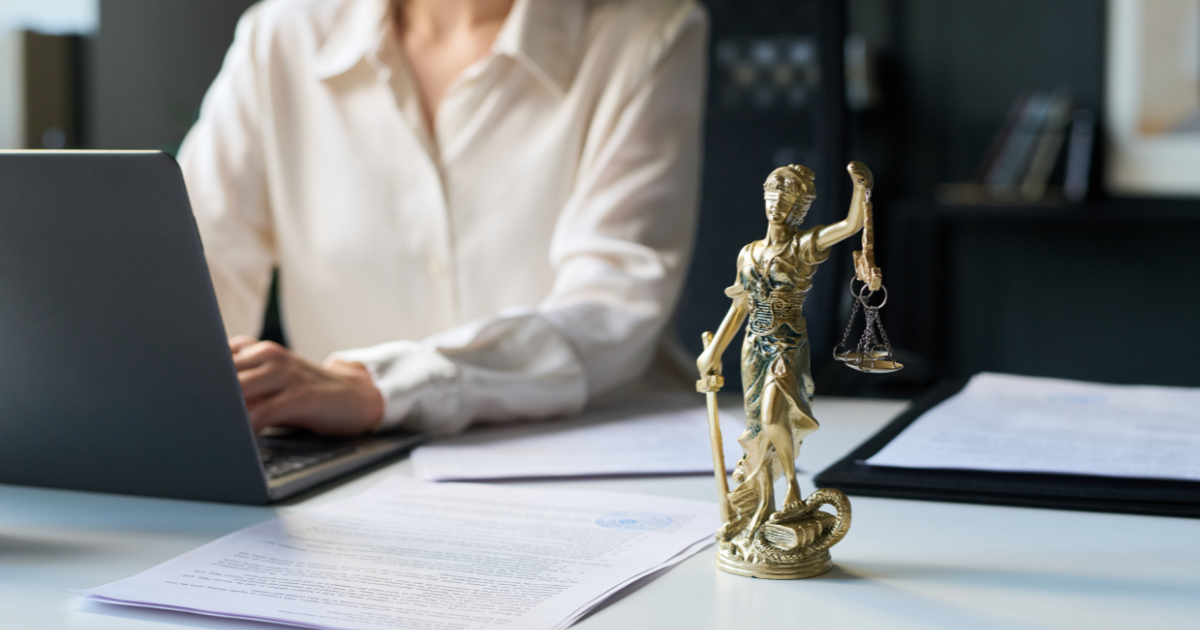
A good business attorney does far more than simply fill in blanks on a template.
An experienced lawyer evaluates your business structure, operational realities, industry risks, intellectual property concerns, liability exposure, and long term goals before drafting an agreement.
That customization is what creates meaningful legal protection.
Generic AI language usually cannot accomplish that because it lacks strategic judgment and factual understanding.
Business attorneys also understand how disputes actually unfold in the real world. They draft agreements not only to look professional, but to strengthen your position if litigation or negotiation later occurs.
Many business owners believe using ChatGPT first will save money.
In reality, poorly drafted AI contracts can become extremely expensive later.
A defective agreement may lead to lawsuits, unpaid invoices, ownership disputes, regulatory issues, or unenforceable provisions. Even if litigation never occurs, attorneys often must spend additional billable time repairing or rebuilding AI generated documents.
The result is that many businesses end up paying more than they would have if they hired an attorney from the start.
If your agreement involves money, ownership rights, intellectual property, employment relationships, partnerships, vendors, licensing, or significant liability exposure, you should strongly consider consulting a business attorney before signing.
A properly drafted agreement can help:
Most importantly, it can provide long term protection tailored specifically to your business rather than relying on generic AI generated language pulled from unknown internet sources.
ChatGPT can generate contract like language. That does not mean it can safely protect you, your business, your assets, or your future.
AI generated contracts may look polished while still containing dangerous legal weaknesses invisible to non lawyers.
A legally enforceable agreement requires strategic legal analysis, state specific knowledge, risk assessment, enforceability review, and customized drafting. Those are functions performed by licensed attorneys, not predictive text software.
Artificial intelligence can be a useful educational tool, but it is not a substitute for a lawyer.
When your business, money, intellectual property, and long term future are at stake, relying entirely on AI generated legal documents is a gamble many businesses later regret.
If you are considering using AI to draft or review a contract, consulting a qualified business attorney before signing may ultimately save you substantial time, money, stress, and legal exposure later.
Yes, ChatGPT can generate contract language, but that does not mean the contract is legally enforceable or properly protects your interests.
Some AI generated contracts may be enforceable, while others may fail because of vague wording, missing clauses, or violations of state law.
AI can generate draft language, but it cannot independently provide legal judgment, strategic analysis, or state specific legal advice.
Using AI is generally legal, but whether the resulting contract is enforceable depends on the quality of the drafting and applicable law.
Yes. A licensed attorney should review any AI generated legal agreement before signing.
ChatGPT may help explain general concepts, but it is not a substitute for legal analysis by a licensed attorney.
No. ChatGPT is not licensed to practice law and cannot replace the strategic legal judgment of an attorney.
AI generated contracts may contain missing protections, vague language, conflicting clauses, or legally inaccurate provisions.
Not always. Attorneys often spend additional time correcting and rebuilding AI generated contracts.
If using AI at all, use it only for educational purposes or preliminary understanding, then have a licensed attorney draft or review the final agreement before signing.